
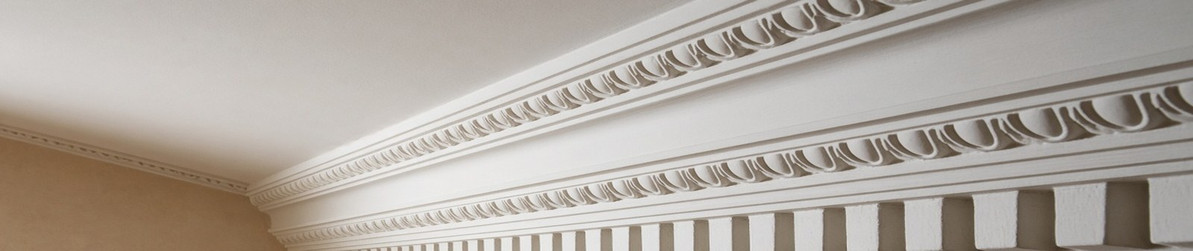
Types of Mouldings: A Visual Guide
Mouldings are the trim that finishes a room or a facade: they cover joints, frame openings and add shadow lines. The names can be confusing, so this visual guide shows the main types, what each one does and where it goes, with a real Spectis profile for each. Every piece shown is polyurethane, ships primed white, and is ready to paint.
Quick map: crown at the ceiling · casing around doors and windows · baseboard and base cap at the floor · chair rail mid-wall · panel moulding and cap trim on walls and wainscot · brick mould, sill and drip cap outside.
Types of Moulding
Each card shows one representative Spectis profile. Use the buttons to shop the whole category or see that product.
Crown
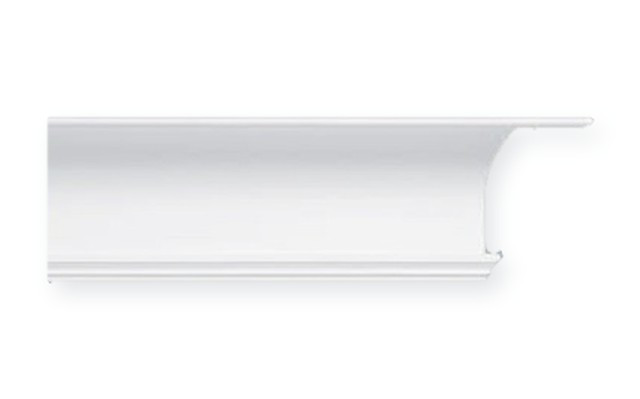
Cove crown
Crown with a smooth, concave (scooped) face. Installed at an angle where the wall meets the ceiling; the simplest, most versatile crown look.
Shown: MD1305
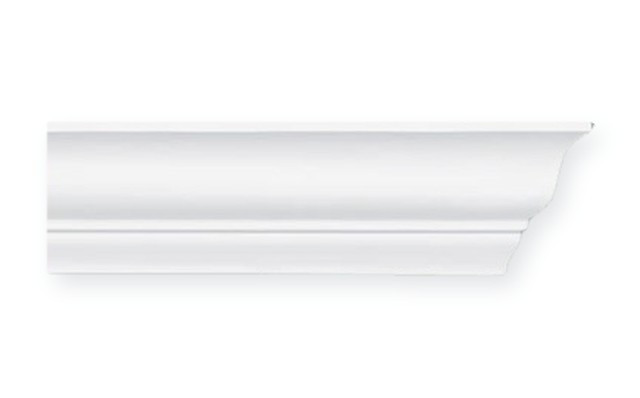
Ogee crown
Crown with an S-shaped curve (convex over concave). The classic traditional profile for ceilings and exterior cornices.
Shown: MD1307
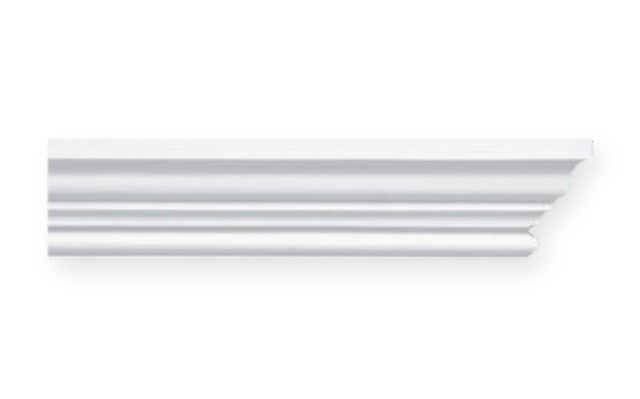
Stepped crown
Crown built from several flat steps and small curves, giving crisp shadow lines. Suits both traditional and transitional rooms.
Shown: MD1286
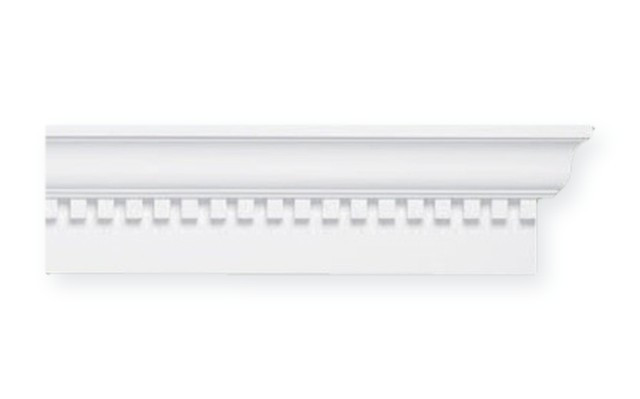
Dentil crown
Crown with a row of small, evenly spaced blocks (dentils) along its face. A formal, classical detail for ceilings and cornices.
Shown: MD1316
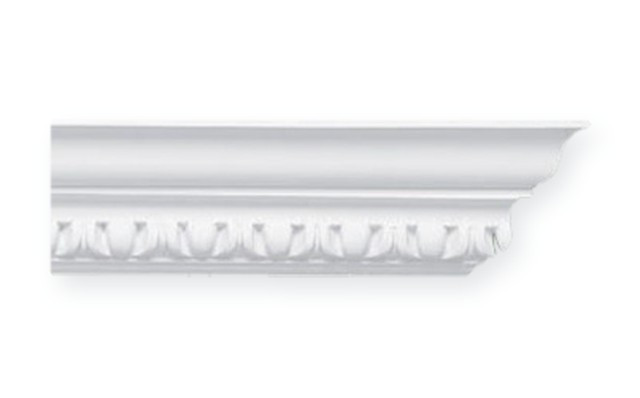
Ornate / carved crown
Crown with a molded decorative pattern, such as egg-and-dart, acanthus or floral scroll. Used where the ceiling line should be a feature.
Shown: MD1291
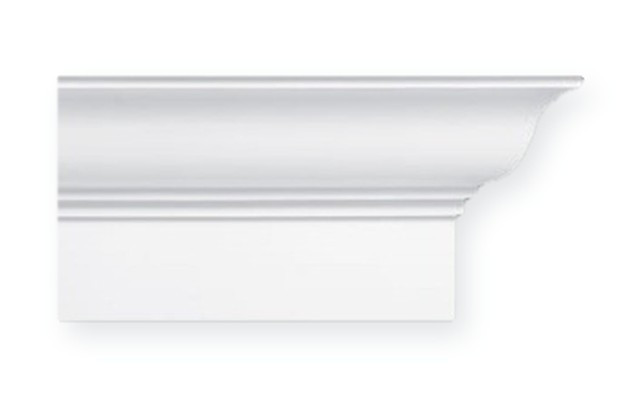
Crown with flat base
Crown with a flat band below the curved face, which makes it taller on the wall. Good for high ceilings and exterior cornices.
Shown: MD1297
Wall & openings
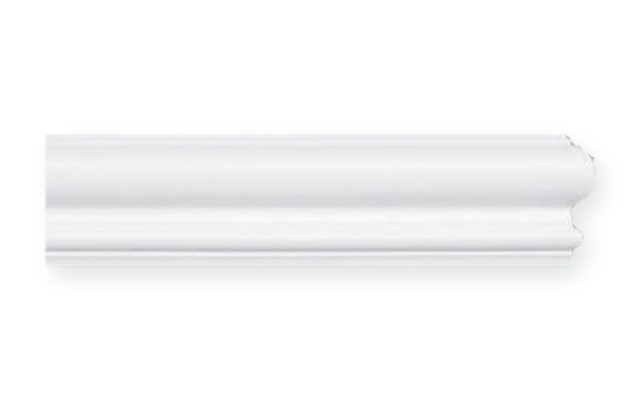
Casing
Trim that frames a door or window opening and covers the joint between the jamb and the wall.
Shown: MD1284
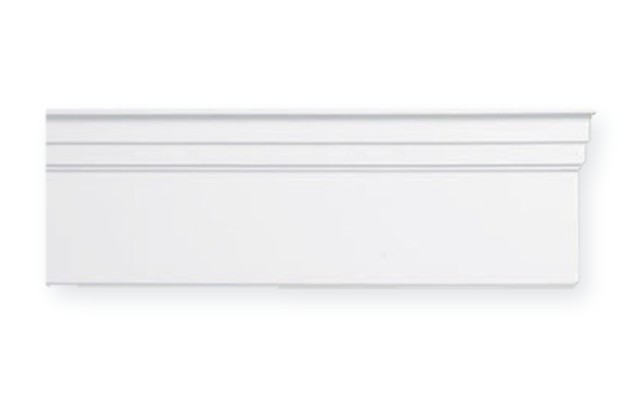
Baseboard
Trim run along the bottom of the wall where it meets the floor. Covers the gap and protects the wall.
Shown: MD1372
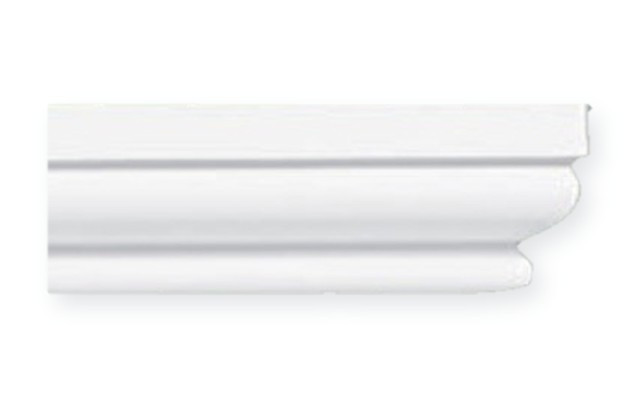
Base cap
A small profile set on top of a flat baseboard to give it a finished, moulded top edge.
Shown: MD1405
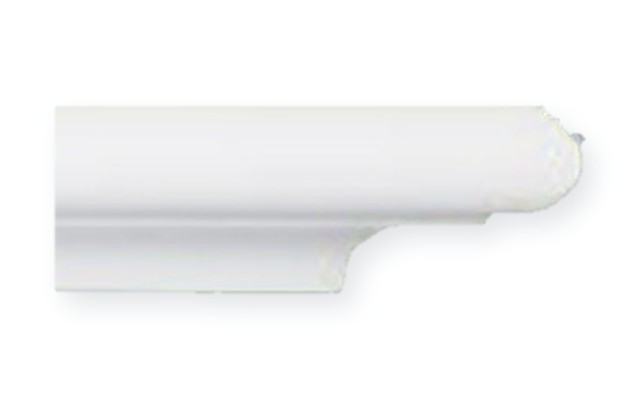
Chair rail
A horizontal moulding run around a room at about chair-back height. Often divides two paint colors or tops wainscoting.
Shown: MD1815
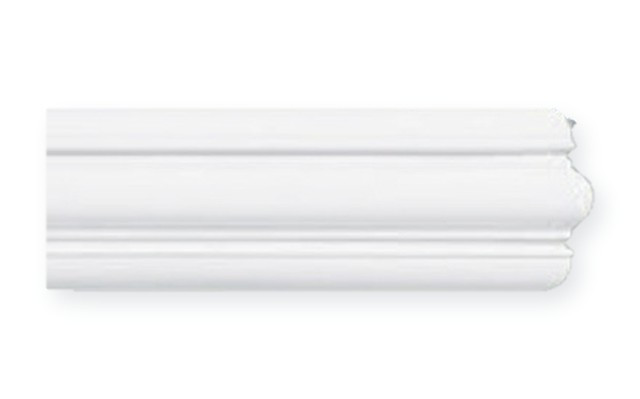
Panel / plant-on
Small trim applied ("planted") on a flat surface to make wall or door panels and wainscot frames.
Shown: MD1369
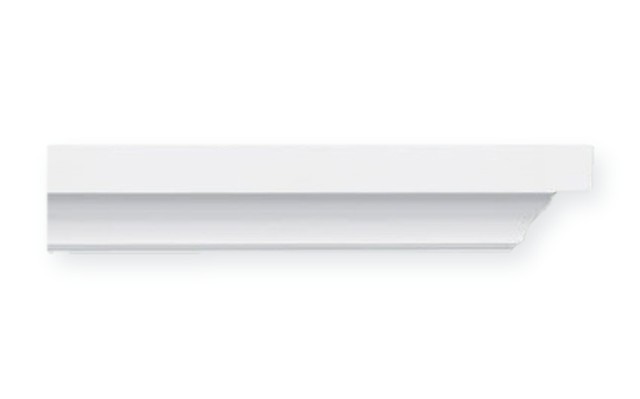
Cap trim
A moulding that caps the top edge of wainscoting, a panel, a baseboard or a flat band.
Shown: MD1524
Bands & flat trim
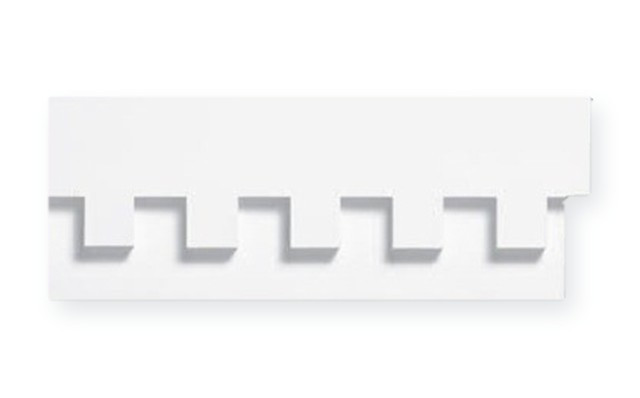
Dentil & frieze
A wide band with dentil blocks or a flat frieze face. Used under crown or in an exterior cornice to make it look deeper.
Shown: MD1274
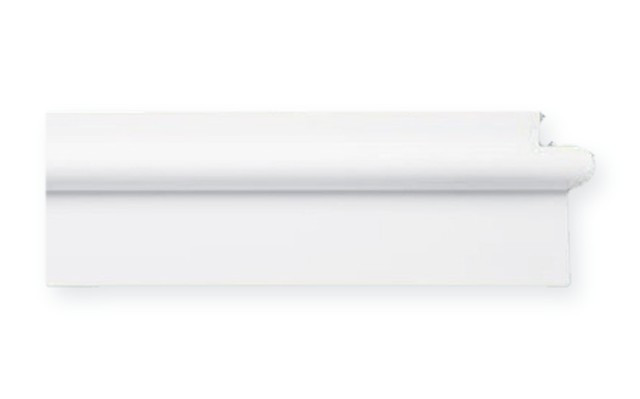
Head trim / crosshead
A horizontal trim run across the top of a door or window casing for a heavier, built-up head.
Shown: MD1820
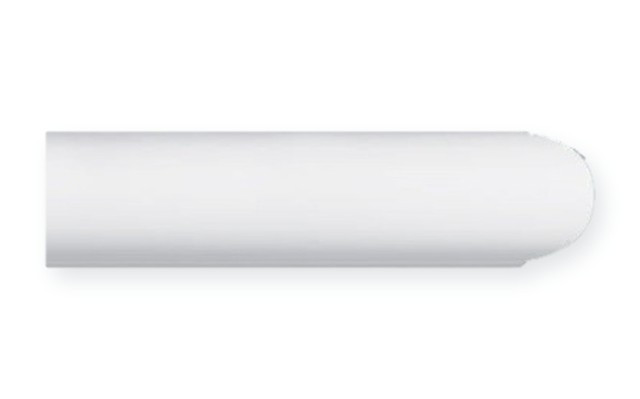
Flat stock & half-round
Flat boards and rounded trim for bands, frames, corner boards and simple panel work.
Shown: MD1298
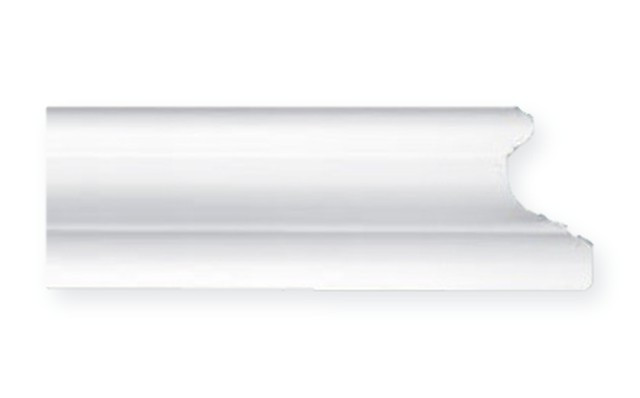
Bed moulding
A smaller crown-type profile set in the corner under a larger crown, cornice or soffit, or used alone where space is tight.
Shown: MD1485
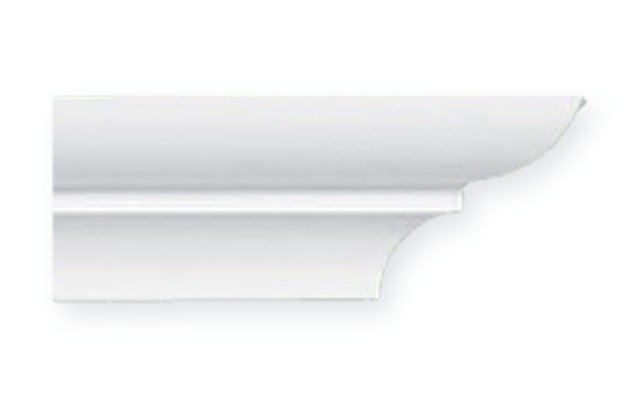
Cove
A small concave profile for inside corners, under a shelf or cap, or as a light ceiling trim.
Shown: MD1464
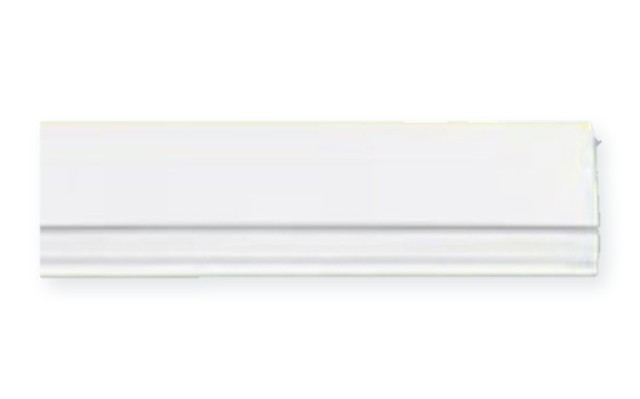
Exterior
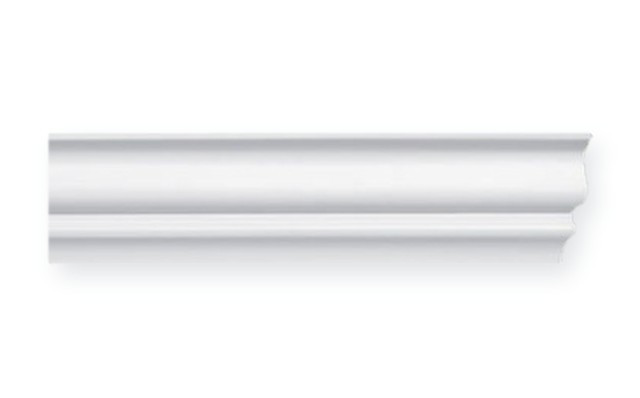
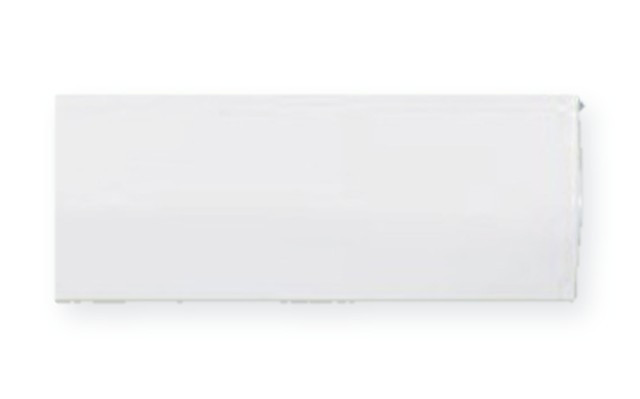
Brick mould
The exterior casing around a door or window frame, where the frame meets siding or masonry.
Shown: MD1306
Drip cap
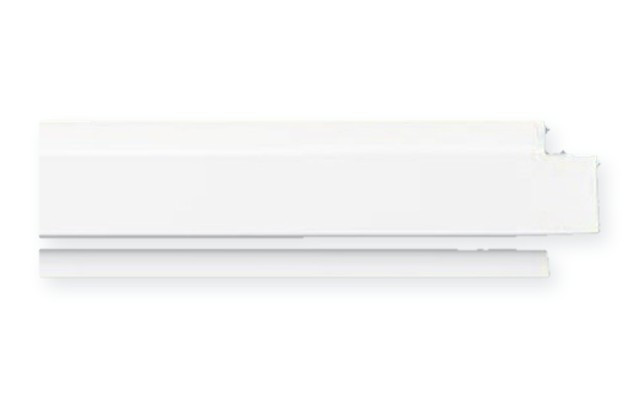
A projecting moulding over a window, door or band that sheds water away from the wall below.
Shown: MD1822
Textured & flexible
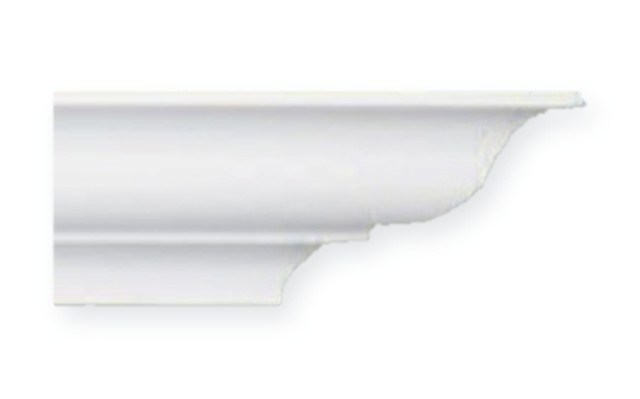
Flexible (Deco-Flex / Iron-Flex)
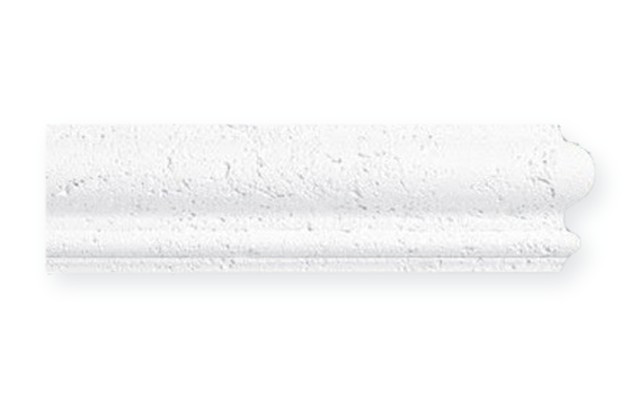
Many profiles are offered as flexible moulding for curved walls, arches and round windows: Deco-Flex for interior, Iron-Flex for exterior.
Shown: MD1949
How to Pick a Moulding
- Start with the location. Ceiling line, opening, floor line, mid-wall or exterior. That narrows it to one or two types above.
- Match the style of the house. Smooth cove and stepped profiles read clean and simple; ogee, dentil and carved profiles read traditional and formal.
- Size it to the space. Larger rooms, higher ceilings and exterior cornices can carry bigger profiles; small rooms and low ceilings suit smaller ones. Check the projection and height listed on each product.
- Keep profiles consistent. Use related shapes for casing, base and crown in the same room so the trim looks like a set.
- Curves or texture? For curved walls and arches, look for a flexible version. For a stone or concrete look, see textured mouldings.
Material, Interior and Exterior Use
- Polyurethane, primed: Spectis mouldings ship primed white, ready for paint. They are cut and fastened much like wood trim. See physical properties of Spectis products.
- Inside and outside: the same mouldings are used indoors and out. Outdoors, use exterior-grade fasteners and filler, caulk joints and paint promptly. See painting factory-primed Spectis millwork.
- Flexible options: Deco-Flex for interior and Iron-Flex for exterior curves. Install guides: Deco-Flex and Iron-Flex.
- Adhesive: use PL Premium (PLP100) on all bedding faces and butt joints. See why Spectis specifies PLP100.
Related Guides
- How to install Spectis crown moulding and cornice
- How to read projection, height and length on Spectis crown
- Spectis base moulding and chair rail
- Spectis window sill and brick mould
- Textured Spectis moulding: fossil stone, concrete and wood grain
- Finishing a gable too? How to choose a gable vent and how to install louver vents
Frequently Asked Questions
What are the main types of moulding?
Crown (at the ceiling), casing (around doors and windows), baseboard and base cap (at the floor), chair rail, panel or plant-on moulding, cap trim, dentil and frieze bands, flat stock, and exterior pieces such as brick mould, window sill and drip cap.
What is the difference between crown and bed moulding?
Both sit where a wall meets a ceiling or soffit. Crown is the larger, main profile; bed moulding is a smaller profile set beneath a crown or cornice, or used alone where there is less room.
What are Spectis mouldings made of?
Polyurethane. They ship primed white and ready to paint, and can be cut and fastened much like wood trim.
Can I use these mouldings outside?
Yes. Spectis polyurethane mouldings are used inside and outside. Outdoors, use exterior-grade fasteners and filler, caulk the joints, and paint the moulding.
Can moulding bend around a curve?
Many profiles are offered as flexible moulding: Deco-Flex for interior use and Iron-Flex for exterior use. Check the product page for the profile you want.
What adhesive should I use?
Spectis specifies PL Premium (PLP100) on all bedding faces and butt joints, along with fasteners.
Recent Posts
-

Types of Mouldings: A Visual Guide
Mouldings are the trim that finishes a room or a facade: they cover joints, frame openings and add …Oct 10th 2026 -
How to Install Pediments and Pilasters: Door, Fireplace and Window Surrounds
A pediment over a door with a pilaster on each side is the classic door surround. It makes a plain e …Oct 9th 2026 -
How to Install Decorative Half-Round Arch Trim
A half-round arch over a window or doorway is one of the quickest ways to make an opening look built …Oct 9th 2026