

How to Choose and Size a Gable Vent
A gable vent sits in the wall at the peak of a gable, under the roof line (see all gable vents and louvers). It adds character as much as airflow. Choosing one comes down to four questions: open or closed, which shape, what size, and how it will be finished.
1. Open (Functional) or Closed (Decorative)?
An open louver has open slats with a screened back so air can move. It goes into an opening cut through the wall and suits a gable that is part of how the attic breathes. A closed louver has the same face with a solid back. It is decorative, does not pass air, and mounts flat on the wall. Many homes use a closed louver for looks and ventilate elsewhere.
2. Pick the Shape to Suit the House
A triangle follows the roofline and fills the peak. A round, octagon or half-round works as a focal point. A practical rule: repeat a shape the house already has.
| If the house has… | Shapes that usually fit |
|---|---|
| Arched or round-top windows and doors | Round, half round, arch top, eyebrow |
| Square or rectangular windows, simple trim | Rectangle, triangle |
| Formal or traditional detailing (keystones, pediments) | Round or oval with keystones, octagon |
| Tall, narrow gables or dormers | Vertical oval, peaked top, eyebrow |
| Wide, low gable walls | Horizontal oval, half round, triangle |
Types You Can Choose
Most shapes come in both versions. Pick a shape, then shop the open (venting) or closed (decorative) models.
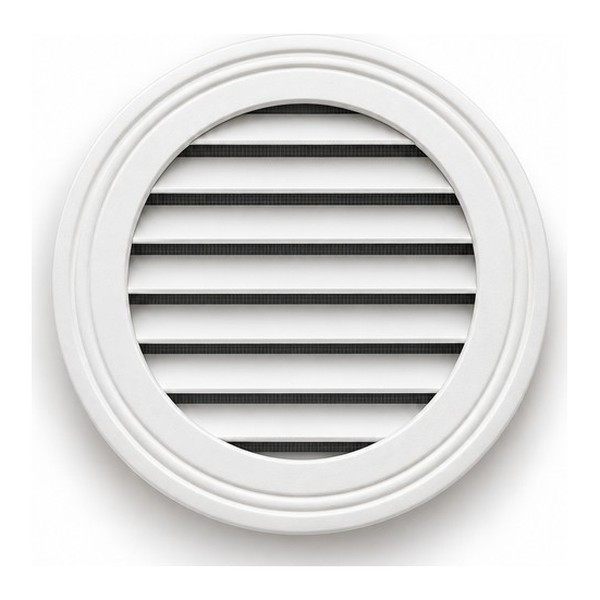
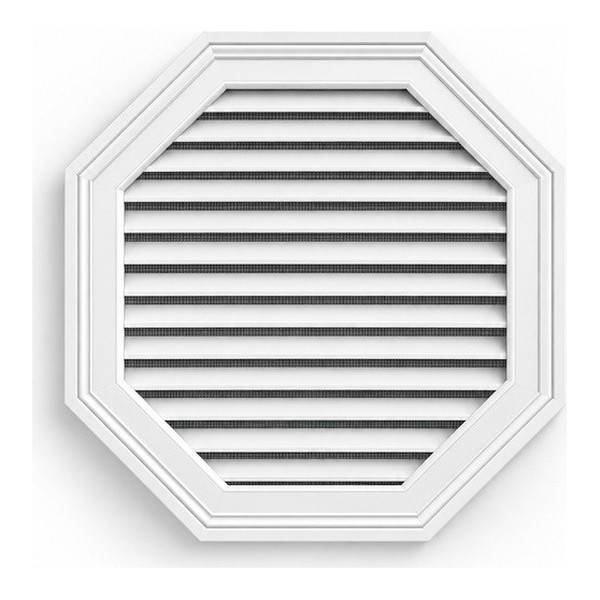
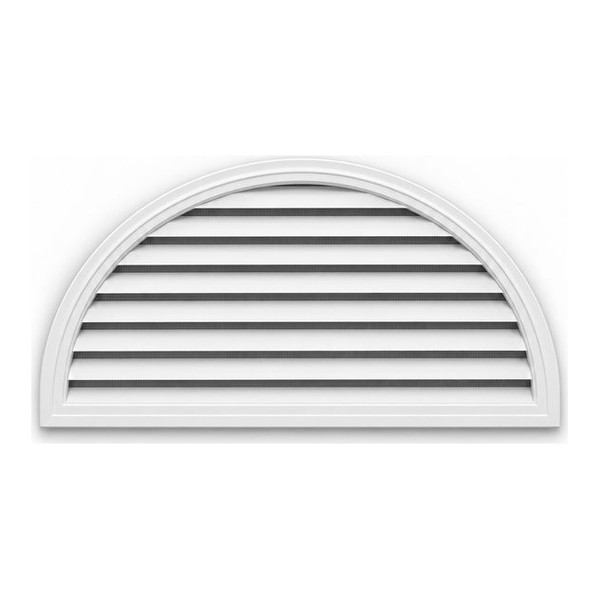
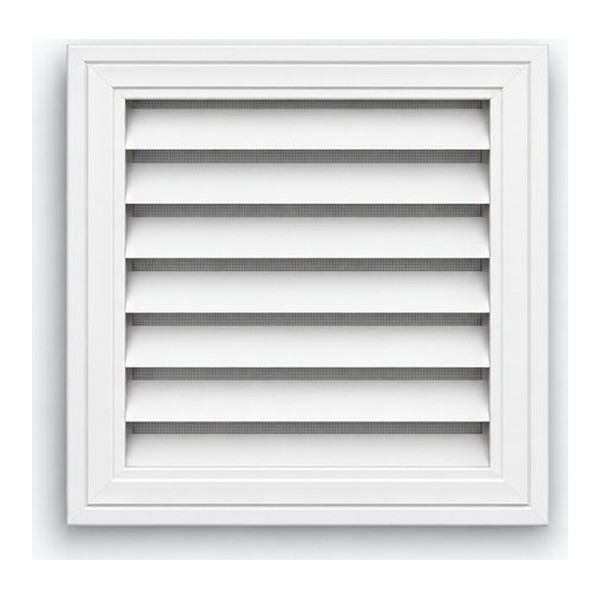
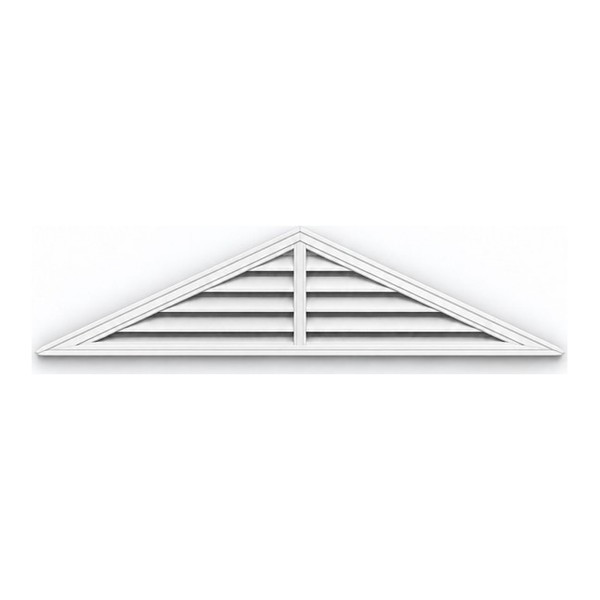
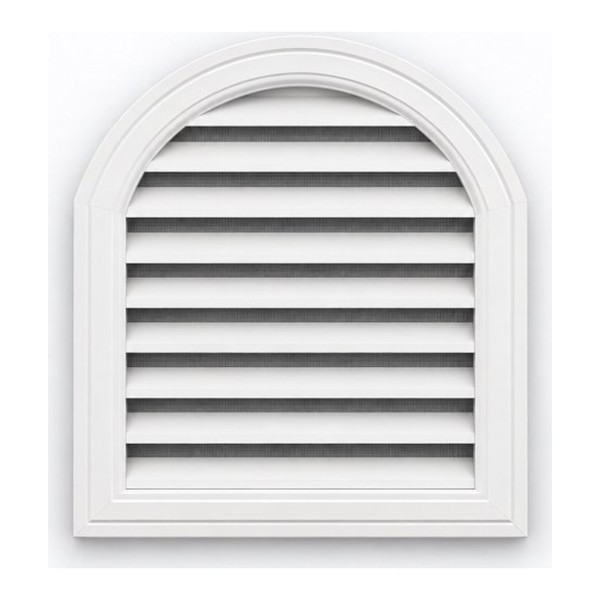
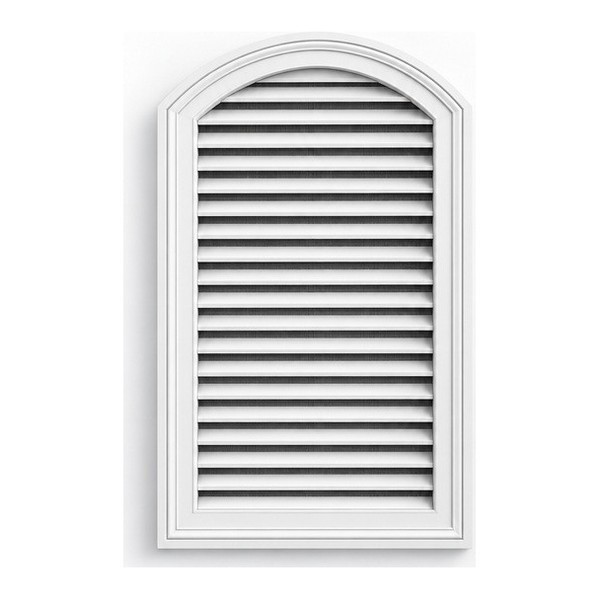
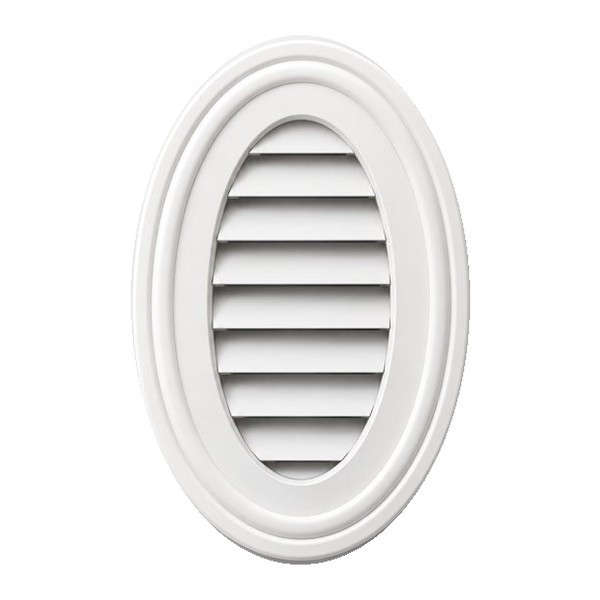
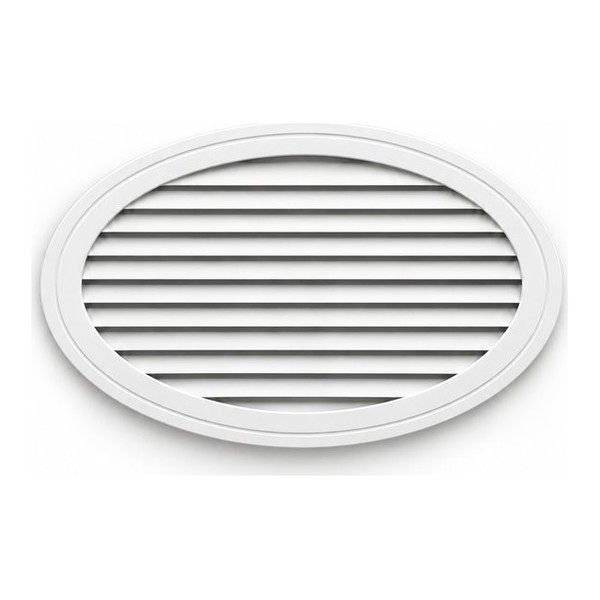
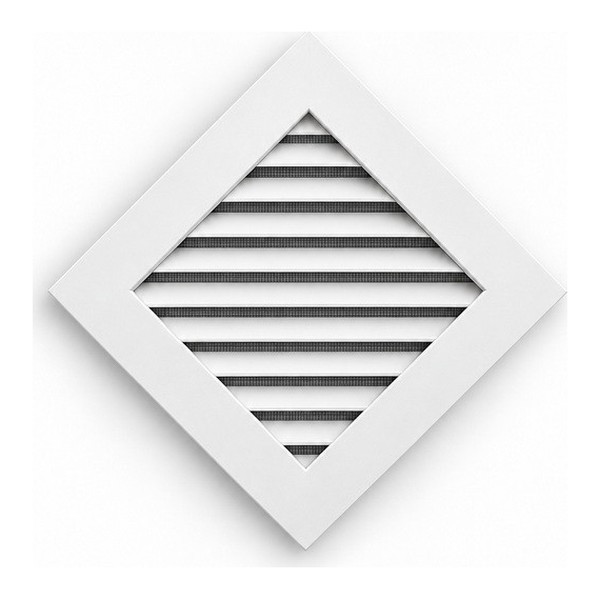
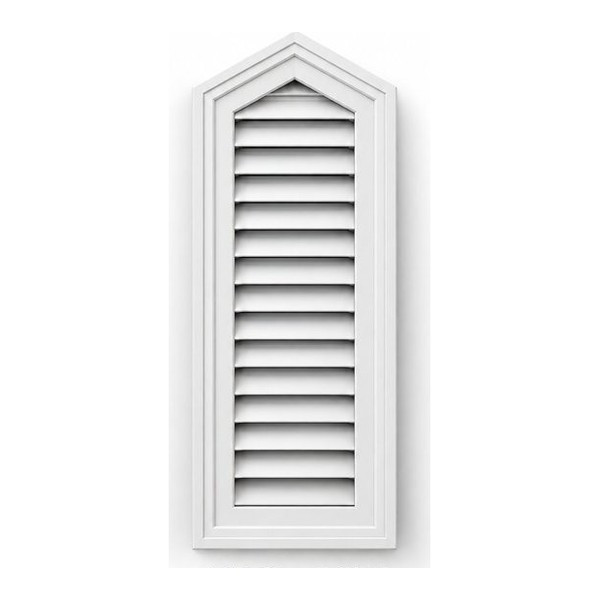
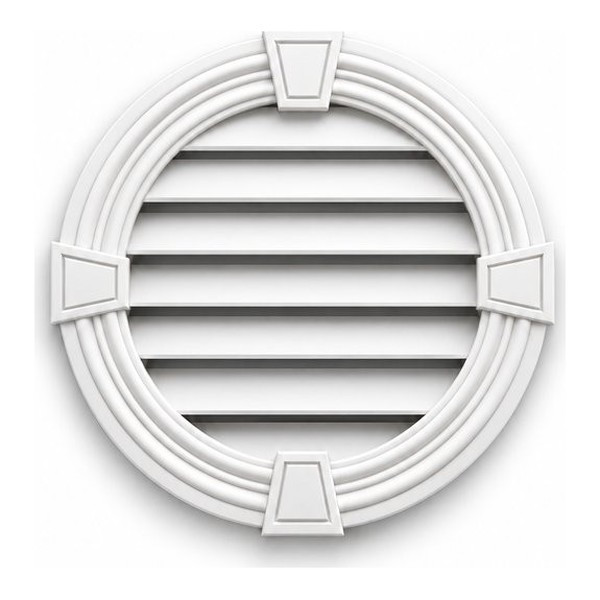
Spectis also makes an arabesque louver (open / closed), oval louvers with keystones (open / closed) and flat trim to frame a gable.
3. Size It to the Gable
- Measure the wall where the vent will sit, and the roof pitch.
- Proportion: a vent that is too small looks lost. As a rule of thumb it should read clearly from the street without crowding the eave or the rake trim.
- Triangles are made for specific roof pitches (for example 6/12 or 8/12). They come as symmetrical units, and some as left or right versions for sloped gables. Match the pitch on the listing to your roof.
- Listed sizes are outside dimensions, not the opening. Check the CAD drawing on each product page against your wall.
4. Material, Color and Paint
Every Spectis louver and gable vent is made of polyurethane and will not rust or rot. They arrive primed white, ready to paint to match your trim or siding (the LOAD louver access doors come painted white). After installing, fill and caulk, then paint with a quality exterior paint. See painting factory-primed Spectis millwork.
Installing
Open louvers go into a cut opening; closed louvers mount flat on the wall. Both are set in ADH100 adhesive with plated screws, then caulked and painted. Step by step: how to install louver vents on a gable.
Frequently Asked Questions
Should I choose an open or a closed gable vent?
Choose an open louver when that gable is part of how the attic is ventilated; it has open slats and a screened back so air can pass. Choose a closed louver when the wall is already sealed and you only want the look; it is decorative and does not pass air.
What shape gable vent should I pick?
A triangle follows the roofline and fills the peak. A round, octagon or half-round works as a focal point. Match the shape to other features on the house, such as arched or rectangular windows.
How do I size a triangle gable vent?
Spectis triangle louvers are made for specific roof pitches, and some come as left or right versions. Measure the wall width and the roof pitch, then compare them with the width, height and pitch on the product listing and its CAD drawing.
What are Spectis gable vents made of?
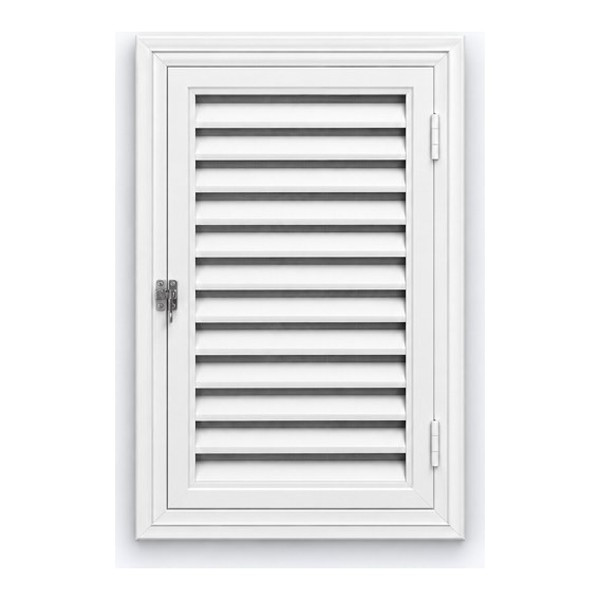
Polyurethane. They arrive primed white and ready to paint; the LOAD louver access doors come painted white.
Can I paint my gable vent to match the trim?
Yes. Install it, fill and caulk, then paint with a quality exterior paint to match your trim or siding.
Found your shape? Questions? Call 800-986-1250.
Shop open louvers Shop closed louvers All louvers & gable ventsRecent Posts
-

Types of Mouldings: A Visual Guide
Mouldings are the trim that finishes a room or a facade: they cover joints, frame openings and add …Oct 10th 2026 -

What Is a Corbel? Types, Sizes & How to Choose Exterior Corbels
Corbels are one of the oldest details in architecture, and one of the easiest ways to add depth and …Oct 10th 2026 -

Ceiling Medallion Sizes: How to Choose
A ceiling medallion is one of the simplest ways to make a light fixture look intentional and to give …Oct 10th 2026