
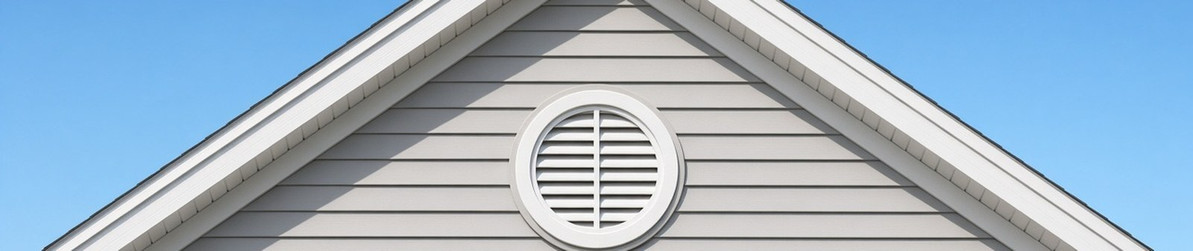
How to Install Louver Vents on Gable
A louver vent in the gable peak finishes the end wall of a house, and an open one also lets the attic breathe. Every Spectis louver and gable vent is made of polyurethane and arrives primed white, ready to paint (the LOAD louver access doors come painted white). This guide shows the shapes you can install and the Spectis method for each kind: open (functional) louvers, louver access doors, and closed (decorative) louvers.
Types You Can Install
Most shapes come in both versions. Pick a shape, then shop the open (venting) or closed (decorative) models. Sizes vary by shape, so check the overall width, height and CAD drawing on each product page.
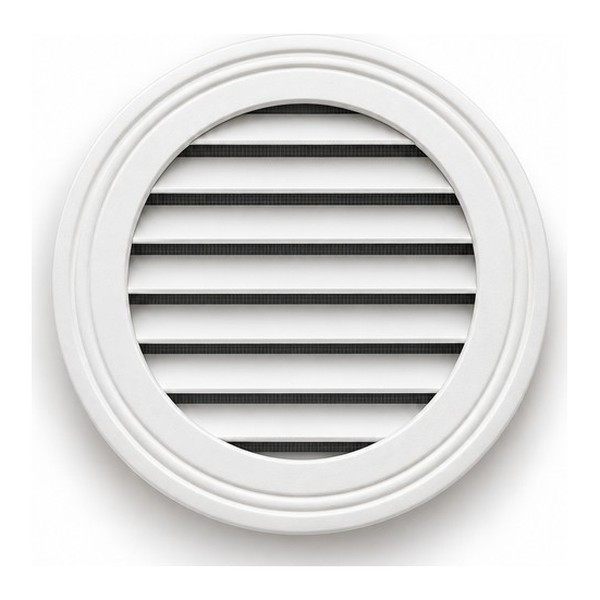
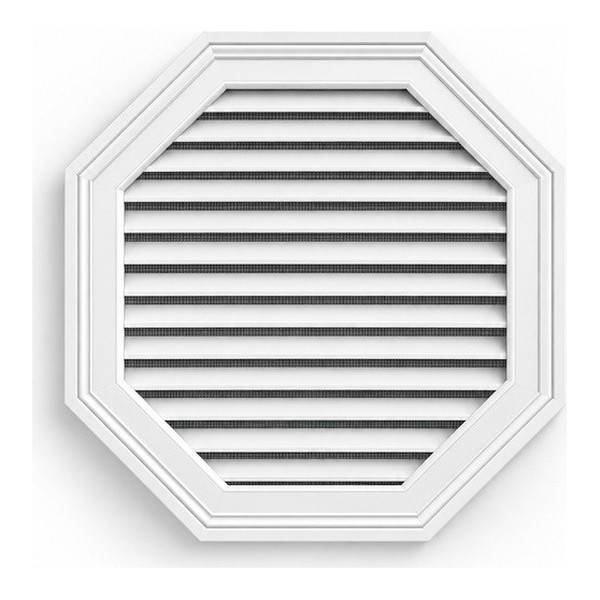
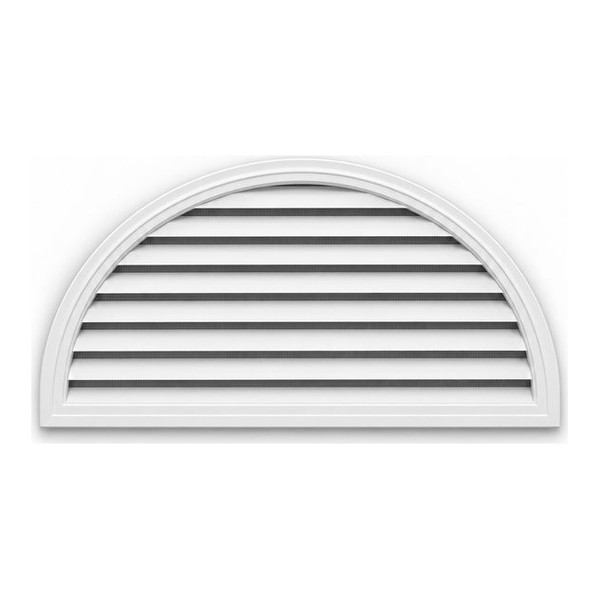
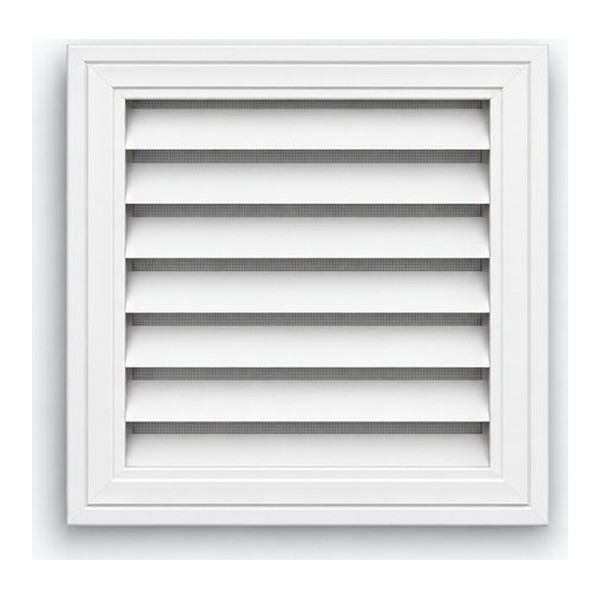
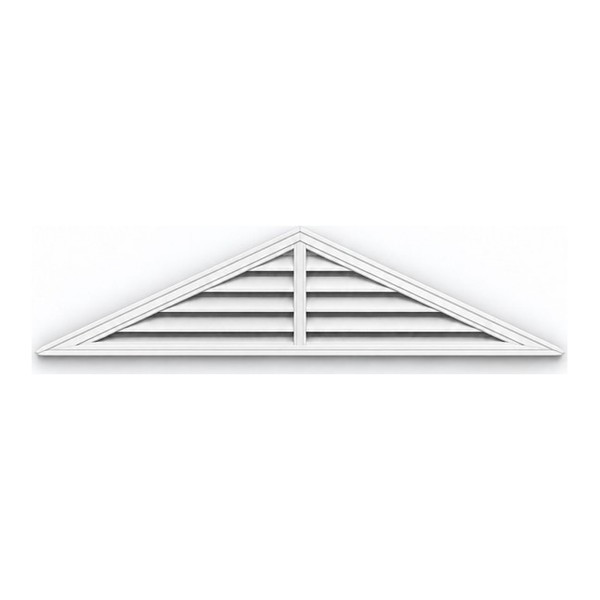
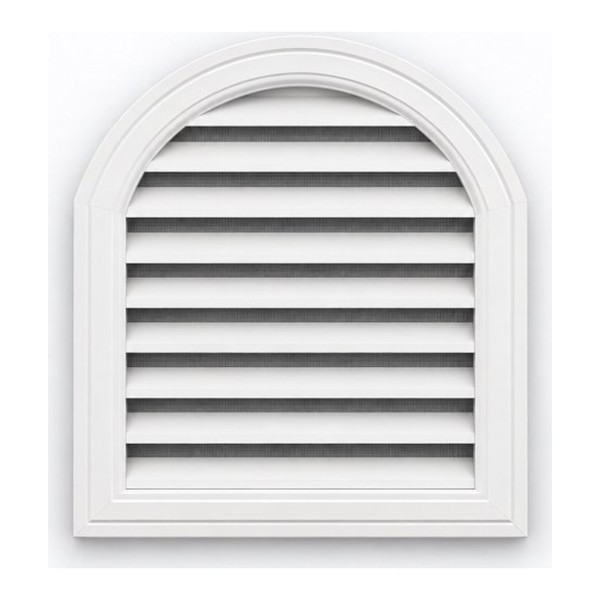
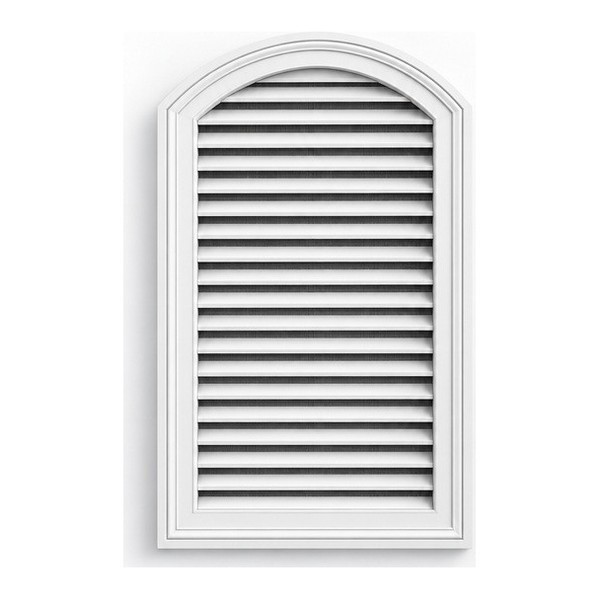
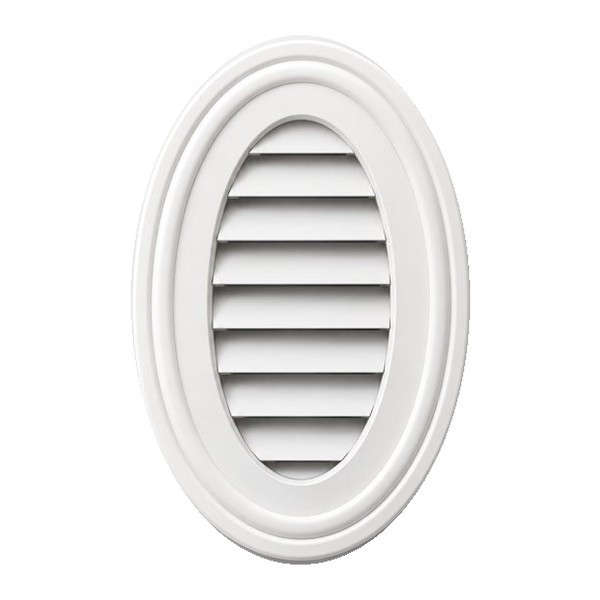
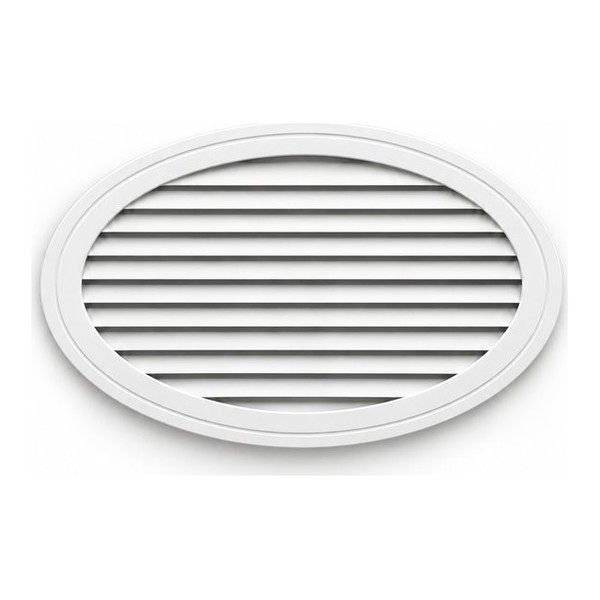
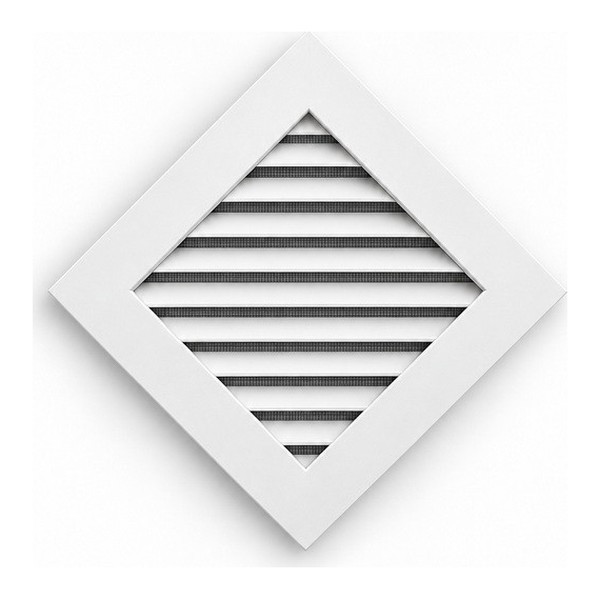
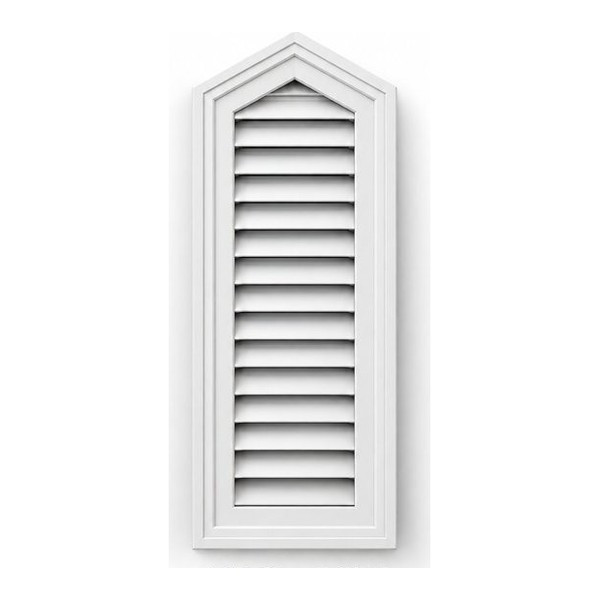
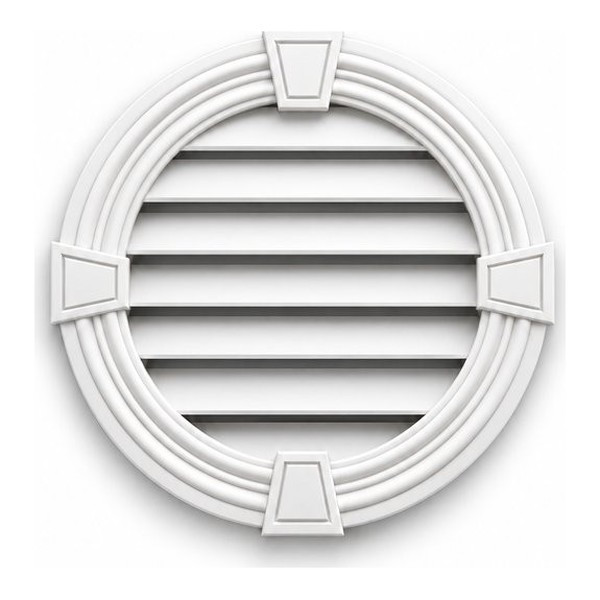
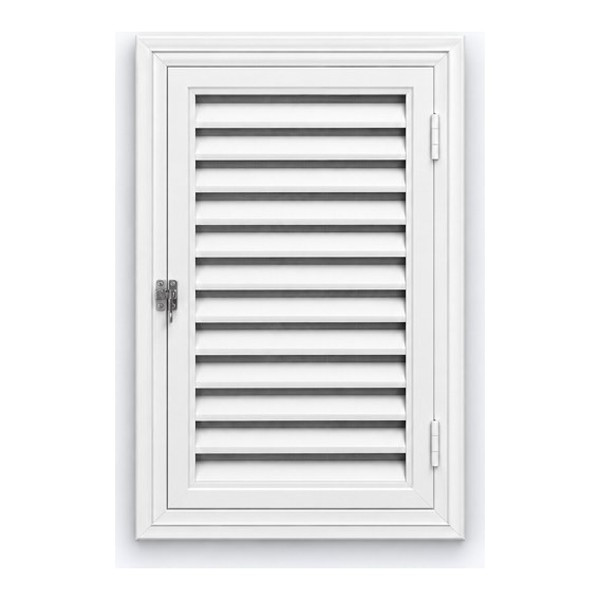
Spectis also makes an arabesque louver (open / closed), oval louvers with keystones (open / closed) and flat trim to frame a gable. Not sure which size? Read how to choose and size a gable vent, or browse all polyurethane gable vents.
Before You Start
- Tools and materials: tape measure, level, pencil, a saw suited to the wall (jigsaw or reciprocating saw for wood framing and siding), drill/driver, ADH100 adhesive, plated screws for the wall material (wood or masonry), exterior filler, exterior caulk, and paint. Adhesive, fasteners and finish are sold separately.
- Ventilation: for an open louver, confirm the net free vent area and the attic ventilation design with your builder or designer before ordering.
- Fit: the listed size is the outside of the product, not the opening. Check the CAD drawing on the product page against your wall.
How to Install an Open (Functional) Louver Vent
- Mark the location. Hold the louver in its final position, level it, and trace its outline on the wall.
- Cut the opening. Cut the opening 2" smaller than the traced outline, so the louver's brick mould laps over the cut edge on every side.
- Frame and seal the opening. If the cut crosses a stud, add blocking around the opening so the edges are supported and the screws have solid wood to bite into. Wrap or flash the cut edges the way you would for any wall penetration, following your builder and local code.
- Apply adhesive. Run ADH100 adhesive around the perimeter of the louver's back.
- Fasten. Set the louver back on the wall, check level, and screw through the face of the brick mould into the wall behind with plated screws suited to the wall material.
- Caulk and finish. Fill the screw holes, caulk around the perimeter where needed, then paint.
How to Install a Louver Access Door (LOAD)
- Mark the jamb. Hold the LOAD frame in its final position and mark the outside of the jamb on the wall.
- Cut the opening. Cut the opening 1/4" larger than the jamb mark, so the frame slides into the wall.
- Frame and seal the opening as for an open louver, so the brick mould has solid material behind it.
- Apply adhesive. Run ADH100 adhesive on the back side of the LOAD frame's brick mould.
- Fasten. Set the frame into the opening and screw through the face of the brick mould into the wall with plated screws for the wall material.
- Caulk and finish. Fill the screw holes, caulk around the perimeter where needed, and paint if you want a color other than white.
How to Install a Closed (Decorative) Louver
Closed louvers, like Spectis window panels and shutters, mount flat on the wall. No opening is cut.
- Test the fit. Hold the louver in its final location, level it and mark it.
- Apply adhesive. Run ADH100 adhesive around the perimeter and across the center of the back.
- Fasten. Press the louver in place and screw through its face into the wall with plated screws for the wall material. Larger louvers may need fasteners in the center area as well.
- Caulk and finish. Fill the screw holes, caulk around the perimeter where needed, then paint.
Caulking and Painting
Spectis louvers ship primed, so they are ready for a finish coat once installed. Fill the screw holes with exterior filler, run a bead of exterior caulk where the louver meets the siding, and paint with a quality exterior paint. Step by step: painting factory-primed Spectis millwork and finishing Spectis urethane products. For why ADH100 adhesive matters, see why Spectis specifies ADH100.
Frequently Asked Questions
Can I install a decorative (closed) louver without cutting the wall?
Yes. A closed louver does not pass air, so it mounts flat on the wall surface with ADH100 adhesive and screws. No opening is cut.
How big should the opening be for an open louver vent?
Mark the outline of the louver on the wall, then cut the opening 2" smaller than that outline so the louver's brick mould covers the edge of the cut on every side. For a LOAD louver access door, cut 1/4" larger than the marked jamb so the frame fits into the opening.
What adhesive should I use?
Spectis specifies ADH100 adhesive on every bedding and butt joint, together with plated screws suited to the wall (wood or masonry). Adhesive and fasteners are sold separately.
Do Spectis louvers need painting?
Spectis louvers are polyurethane and ship primed white. Fill the screw holes, caulk, then paint with a quality exterior paint after installation.
Does an open gable vent replace soffit or ridge venting?
Not on its own. Confirm the net free vent area and the overall attic ventilation design with your builder or designer before choosing an open louver.
Recent Posts
-
Types of Mouldings: A Visual Guide
Mouldings are the trim that finishes a room or a facade: they cover joints, frame openings and add …Oct 10th 2026 -

What Is a Corbel? Types, Sizes & How to Choose Exterior Corbels
Corbels are one of the oldest details in architecture, and one of the easiest ways to add depth and …Oct 10th 2026 -

Ceiling Medallion Sizes: How to Choose
A ceiling medallion is one of the simplest ways to make a light fixture look intentional and to give …Oct 10th 2026